


When it comes to transplanting plants, having the right garden hand tools can make all the difference. As a dedicated garden hand tools supplier, I've witnessed firsthand how the right equipment can simplify the transplanting process, ensuring the health and successful establishment of your plants. In this blog post, I'll explore some of the essential garden hand tools for transplanting plants, highlighting their features, benefits, and how they can enhance your gardening experience.
The Importance of Transplanting
Transplanting is a common gardening practice that involves moving a plant from one location to another. This can be necessary for a variety of reasons, such as giving a plant more space to grow, improving its access to sunlight or water, or simply rearranging your garden layout. However, transplanting can be a delicate process that requires careful handling to minimize stress on the plant and ensure its survival.
Essential Garden Hand Tools for Transplanting
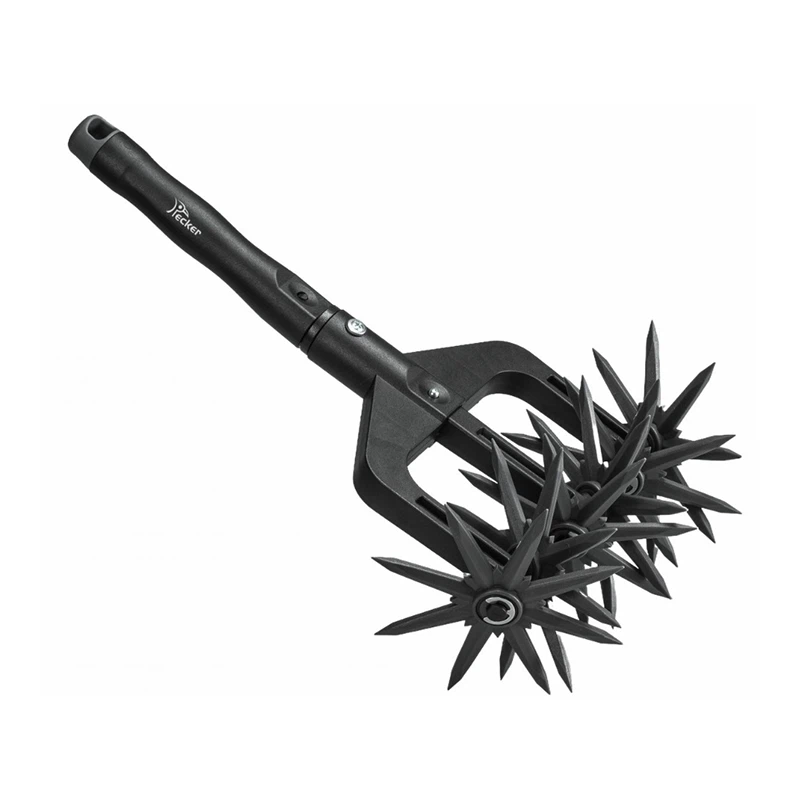
Rolling Garden Tiller
Before transplanting a plant, it's important to prepare the soil in the new location. A Rolling Garden Tiller is an excellent tool for this task. This tool features a series of rotating blades that break up compacted soil, aerate it, and mix in organic matter. By using a rolling garden tiller, you can create a loose, fertile planting bed that will provide the plant with the nutrients and space it needs to thrive.
One of the key benefits of a rolling garden tiller is its ease of use. Unlike traditional tillers, which can be heavy and difficult to maneuver, a rolling garden tiller is lightweight and easy to push. This makes it ideal for small to medium-sized gardens, as well as for gardeners who may have limited strength or mobility.
Potting Trowel
A Potting Trowel is a versatile tool that is essential for transplanting plants. This small, handheld tool features a pointed blade that is perfect for digging small holes, removing weeds, and transplanting seedlings. When transplanting a plant, a potting trowel can be used to carefully dig around the root ball, ensuring that it remains intact and undamaged.
In addition to its use in transplanting, a potting trowel is also useful for other gardening tasks, such as planting bulbs, mixing soil, and applying fertilizer. Its compact size and lightweight design make it easy to carry around the garden, and it can be used in a variety of soil types.
Garden Transplanter
A Garden Transplanter is a specialized tool that is designed specifically for transplanting plants. This tool features a long, narrow blade that is used to dig a hole in the soil, as well as a handle that is used to lift and move the plant. Garden transplanters come in a variety of sizes and styles, depending on the type of plant you are transplanting and the size of your garden.
One of the main advantages of a garden transplanter is its ability to minimize root damage. By using a garden transplanter, you can dig a hole that is the exact size of the plant's root ball, ensuring that it fits snugly into the new location. This helps to reduce the stress on the plant and increases its chances of survival.
Tips for Using Garden Hand Tools for Transplanting
- Choose the right tool for the job: Different plants and soil types may require different tools. Make sure you choose the right tool for the specific transplanting task you are performing.
- Prepare the soil: Before transplanting a plant, it's important to prepare the soil in the new location. Use a rolling garden tiller or other soil preparation tool to break up compacted soil, aerate it, and mix in organic matter.
- Handle the plant carefully: When transplanting a plant, it's important to handle it carefully to minimize stress and damage. Use a potting trowel or garden transplanter to dig around the root ball, and lift the plant gently by the base of the stem.
- Water the plant: After transplanting a plant, it's important to water it thoroughly to help it settle into its new location. Make sure the soil is moist but not waterlogged, and continue to water the plant regularly until it is established.
Conclusion
Transplanting plants can be a rewarding but challenging task. By using the right garden hand tools, you can make the process easier, more efficient, and more successful. As a garden hand tools supplier, I offer a wide range of high-quality tools that are designed to meet the needs of gardeners of all skill levels. Whether you're a beginner or an experienced gardener, I can help you find the right tools for your transplanting needs.
If you're interested in learning more about our garden hand tools or would like to discuss your transplanting needs, please don't hesitate to contact us. We're here to help you create the garden of your dreams.

References
- "Gardening Basics: Transplanting Plants." The Old Farmer's Almanac.
- "Essential Garden Tools for Transplanting." Gardening Know How.
- "How to Transplant Plants Successfully." Better Homes & Gardens.


