


Can I use a garden saw in wet conditions?
As a seasoned supplier of garden saws, I often encounter questions from customers regarding the proper usage of our tools. One of the most frequently asked questions is whether it's safe and effective to use a garden saw in wet conditions. In this blog post, I'll delve into the science behind this query, sharing insights based on my years of experience in the industry.
The Impact of Moisture on Garden Saws
To understand whether using a garden saw in wet conditions is advisable, we first need to examine how moisture affects the saw's components. Garden saws are typically made of metal blades and wooden or plastic handles. When exposed to water, these materials can undergo various changes that may impact the saw's performance and longevity.
The blade is the most critical part of a garden saw, and moisture can have a significant impact on its sharpness and durability. Metal blades are prone to rust when they come into contact with water. Rust not only dulls the blade but also weakens its structure, making it more likely to break or chip during use. Even if the saw has a rust-resistant coating, prolonged exposure to moisture can still compromise its effectiveness.
In addition to rust, wet conditions can also cause the blade to become slippery. This reduces the user's grip on the saw, increasing the risk of accidents. A slippery blade can also make it more difficult to control the cutting action, leading to uneven cuts and potential damage to the plant or object being cut.
The handle of a garden saw is another area that can be affected by moisture. Wooden handles can absorb water, causing them to swell and warp over time. This can make the handle uncomfortable to hold and may even affect the saw's balance. Plastic handles, on the other hand, are generally more resistant to moisture, but they can still become slippery when wet, posing a safety hazard.
Safety Considerations
Safety should always be the top priority when using any tool, and garden saws are no exception. Using a garden saw in wet conditions presents several safety risks that users need to be aware of.
As mentioned earlier, a wet blade can be slippery, increasing the likelihood of the saw slipping out of the user's hand. This can result in serious injuries, such as cuts or lacerations. To minimize this risk, it's essential to wear appropriate safety gear, including gloves with a good grip. Gloves not only provide a better hold on the saw but also protect your hands from cuts and abrasions.
Another safety concern is the electrical hazard associated with power tools. If you're using an electric or battery-powered garden saw, using it in wet conditions can increase the risk of electric shock. Water is a conductor of electricity, and if the saw's electrical components come into contact with water, it can lead to a dangerous situation. Always check the manufacturer's instructions to ensure that the saw is suitable for use in wet conditions and follow all safety precautions.
Effectiveness of Cutting in Wet Conditions
While using a garden saw in wet conditions may pose some risks, it's not always impossible or ineffective. In some cases, wet conditions can actually make the cutting process easier. For example, wet branches are often more flexible than dry ones, making them easier to cut through. However, this also means that the branches may be more likely to bend or move during the cutting process, which can make it more difficult to control the saw.
It's important to note that the effectiveness of cutting in wet conditions also depends on the type of saw being used. Some garden saws are designed specifically for use in wet conditions, with features such as rust-resistant blades and non-slip handles. These saws are more likely to perform well in wet environments and may be a better choice if you frequently need to use your saw in damp conditions.
Types of Garden Saws Suitable for Wet Conditions
If you need to use a garden saw in wet conditions, there are several types of saws that are better suited for this purpose.
One option is the Pole Pruner Pulley System. This type of saw is designed for pruning branches that are high up in trees. It typically has a long pole with a saw blade at the end, and a pulley system that allows you to operate the saw from the ground. Pole pruner pulley systems are often made with rust-resistant materials, making them suitable for use in wet conditions.
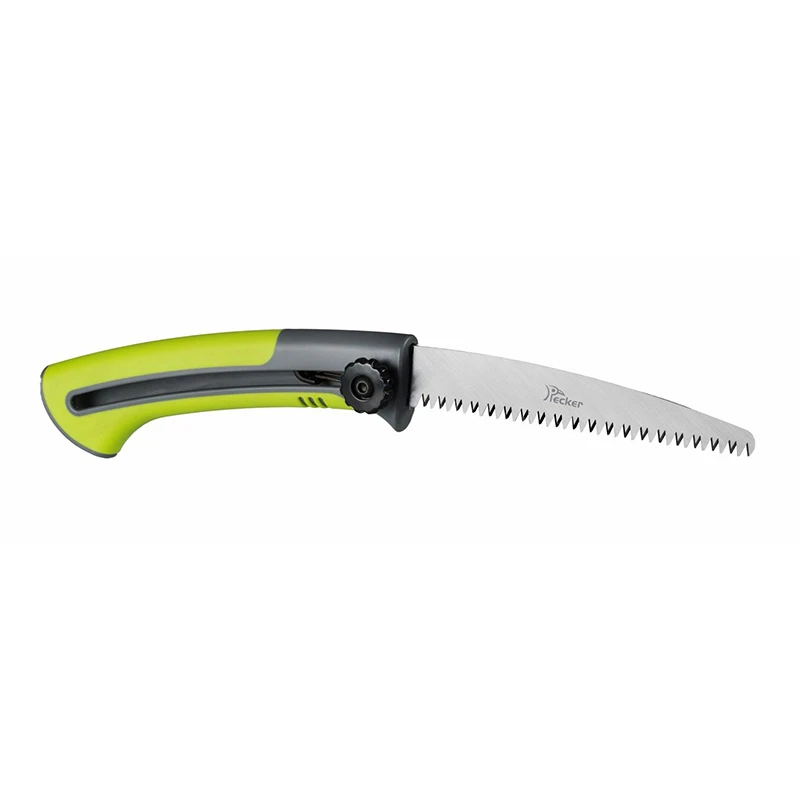
Another option is the Portable Pruning Saw. These saws are lightweight and easy to carry, making them ideal for pruning small branches and shrubs. Many portable pruning saws have blades that are coated with a rust-resistant material, and some models also have non-slip handles for added safety.

The Long Reach Hand Pruner is another tool that can be useful in wet conditions. This type of pruner has a long handle that allows you to reach branches that are difficult to access. It's typically used for pruning small to medium-sized branches and is often made with durable materials that can withstand moisture.
Maintenance and Care
Regardless of whether you use your garden saw in wet conditions or not, proper maintenance and care are essential to ensure its longevity and performance. After using the saw in wet conditions, it's important to dry it thoroughly to prevent rust and other damage. Use a clean, dry cloth to wipe down the blade and handle, and make sure to remove any dirt or debris.
If the saw has a wooden handle, you may also want to apply a protective coating to prevent it from absorbing water. There are several products available on the market that are specifically designed for this purpose, such as linseed oil or varnish.
Regular sharpening of the blade is also important to keep the saw cutting effectively. A dull blade not only makes the cutting process more difficult but also increases the risk of accidents. You can use a sharpening stone or a file to sharpen the blade, or you can take it to a professional for sharpening.
Conclusion
In conclusion, while using a garden saw in wet conditions is possible, it's important to weigh the risks and benefits before doing so. Moisture can have a significant impact on the saw's performance and longevity, and it also poses several safety risks. However, with the right precautions and the use of suitable tools, it's possible to use a garden saw effectively in wet conditions.
As a garden saws supplier, I'm committed to providing my customers with high-quality tools that are safe and effective to use. If you have any questions or need advice on choosing the right garden saw for your needs, please don't hesitate to contact me. I'm always happy to help you make an informed decision. Whether you're a professional gardener or a DIY enthusiast, I'm confident that I can provide you with the tools you need to get the job done.
If you're interested in purchasing our garden saws or have any inquiries about our products, feel free to reach out to us for a procurement discussion. We look forward to serving you and helping you find the perfect garden saw for your requirements.
References
- Manufacturer's instructions for various garden saws
- Industry standards and guidelines for tool safety
- Personal experience and knowledge gained from years of working in the garden saws industry


