


Cleaning the gear area of secateurs is a crucial maintenance task that can significantly extend the lifespan and enhance the performance of these essential gardening tools. As a supplier of Geared Secateurs, I understand the importance of proper maintenance and want to share some effective cleaning methods with you.
Why Clean the Gear Area?
Before delving into the cleaning process, it's essential to understand why cleaning the gear area of secateurs is so important. Over time, dirt, debris, sap, and plant residue can accumulate in the gear mechanism. This buildup can cause several problems:

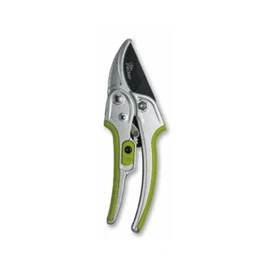
- Reduced Performance: The accumulated dirt can increase friction between the gears, making the secateurs harder to operate. This can lead to a decrease in cutting efficiency and require more force to make a clean cut.
- Premature Wear and Tear: The abrasive nature of dirt and debris can cause the gears to wear down more quickly, reducing the overall lifespan of the secateurs.
- Corrosion: Sap and moisture can lead to corrosion, especially in the metal parts of the gear mechanism. Corrosion can weaken the gears and cause them to malfunction.
Tools and Materials Needed
To clean the gear area of your secateurs effectively, you'll need the following tools and materials:
- Small Brush: A soft-bristled brush, such as an old toothbrush, is ideal for removing dirt and debris from the gears.
- Cleaning Solvent: A suitable cleaning solvent, such as isopropyl alcohol or a specialized tool cleaner, can help dissolve sap and grease.
- Lubricant: A high-quality lubricant, such as silicone oil or a specialized tool lubricant, is essential for maintaining the smooth operation of the gears.
- Rag or Cloth: You'll need a clean rag or cloth to wipe away the cleaning solvent and lubricant.
Step-by-Step Cleaning Process
Now that you have the necessary tools and materials, let's walk through the step-by-step process of cleaning the gear area of your secateurs:
- Disassemble the Secateurs: If possible, disassemble the secateurs to access the gear area more easily. Refer to the manufacturer's instructions for guidance on how to disassemble your specific model.
- Remove Loose Dirt and Debris: Use the small brush to gently remove any loose dirt, debris, and plant residue from the gears. Be careful not to damage the gears or other components.
- Apply Cleaning Solvent: Moisten the brush with the cleaning solvent and carefully scrub the gears to remove any stubborn dirt, sap, or grease. Pay special attention to the areas where the gears mesh.
- Rinse the Gears: If the cleaning solvent is water-soluble, you can rinse the gears under running water to remove the dissolved dirt and debris. Otherwise, use a clean rag or cloth to wipe away the cleaning solvent.
- Dry the Gears: Use a clean rag or cloth to dry the gears thoroughly. Make sure there is no moisture left on the gears, as this can lead to corrosion.
- Apply Lubricant: Apply a small amount of lubricant to the gears, making sure to cover all the moving parts. Use the brush to spread the lubricant evenly.
- Reassemble the Secateurs: Once the gears are dry and lubricated, reassemble the secateurs according to the manufacturer's instructions.
Tips for Maintaining Your Secateurs
In addition to regular cleaning, there are several other tips you can follow to maintain your secateurs and keep them in good working condition:
- Store Properly: Store your secateurs in a dry place to prevent corrosion. You can also use a protective case or sheath to keep them clean and safe.
- Sharpen Regularly: Keep the blades of your secateurs sharp by sharpening them regularly. A sharp blade will make cleaner cuts and require less force to operate.
- Avoid Overloading: Do not use your secateurs to cut through materials that are too thick or tough for them. This can damage the blades and gears.
- Inspect Regularly: Inspect your secateurs regularly for any signs of wear, damage, or malfunction. If you notice any problems, have them repaired or replaced as soon as possible.
Conclusion
Cleaning the gear area of your secateurs is a simple but important maintenance task that can help extend the lifespan and enhance the performance of these essential gardening tools. By following the steps outlined in this blog post and implementing the tips for maintenance, you can keep your secateurs in good working condition for years to come.
If you're in the market for high-quality Geared Secateurs, we offer a wide range of products to meet your needs. Our Ratchet Garden Pruning Shears, Rose Pruning Secateurs, and Heavy Duty Bypass Pruner are designed to provide superior cutting performance and durability.
If you're interested in learning more about our products or would like to discuss a potential purchase, please don't hesitate to contact us. We're here to help you find the perfect secateurs for your gardening needs.
References
- Manufacturer's instructions for your secateurs.
- Gardening tool maintenance guides.


