


Hey there, fellow gardeners and tree enthusiasts! As a supplier of top - notch lopping shears, I've seen it all when it comes to these essential cutting tools. Today, I'm gonna share some tips on how to maintain your lopping shears so they'll last you a long time and keep performing at their best.
Let's start with the basics. Lopping shears are used for cutting branches, and they come in different types like Power Gear Loppers, Geared Tree Loppers, and Compound Action Bypass Lopper. No matter which type you have, proper maintenance is key.
Cleaning Your Lopping Shears
After each use, it's super important to clean your lopping shears. Branches can leave behind sap, dirt, and other debris on the blades and the handles. Start by using a clean, dry cloth to wipe off any visible dirt and sap. If there's stubborn sap, you can use a bit of rubbing alcohol on the cloth. Just dampen the cloth, don't soak it, and gently rub the affected areas.
For a more thorough cleaning, you can disassemble the shears if possible. Some lopping shears have parts that can be easily taken apart. Once you've taken it apart, use a small brush, like an old toothbrush, to clean the nooks and crannies. Make sure to get rid of any dirt or rust that might be hiding in there. Rinse the parts with warm, soapy water and then dry them completely. Remember, moisture can lead to rust, so drying is crucial.
Sharpening the Blades
A sharp blade is essential for efficient cutting. Dull blades not only make your job harder but can also damage the branches you're cutting. You can tell if your blades are dull if they're struggling to cut through branches that they used to handle easily.
To sharpen the blades, you'll need a sharpening stone or a file. First, secure the shears in a vise or have someone hold them steady for you. Then, hold the sharpening tool at the same angle as the blade's bevel. Usually, this is around 20 - 30 degrees. Run the sharpening tool along the blade in one direction, away from the edge. Do this several times on each side of the blade. Check the sharpness by trying to cut through a piece of paper. If it cuts smoothly, your blades are sharp. If not, keep sharpening.
Lubricating the Moving Parts
The moving parts of your lopping shears, like the pivot point and any gears, need to be lubricated regularly. This helps reduce friction and wear, making the shears easier to use. You can use a light machine oil or a specialized lubricant for cutting tools.
Apply a few drops of the lubricant to the pivot point and any other moving parts. Then, open and close the shears a few times to spread the lubricant evenly. Wipe off any excess oil with a cloth. This will prevent the oil from attracting dirt and debris.
Checking for Loose Parts
Over time, the parts of your lopping shears can become loose. A loose pivot point or a wobbly handle can affect the performance of the shears and even be dangerous. Regularly check all the screws and bolts to make sure they're tight. If you find any loose parts, use the appropriate tool, like a screwdriver or a wrench, to tighten them.
If you notice that a part is damaged or worn out beyond repair, it's important to replace it. Many lopping shears have replacement parts available. You can order them from the manufacturer or from a store that sells lopping shears.
Storing Your Lopping Shears
Proper storage is also an important part of maintenance. When you're not using your lopping shears, store them in a dry place. Moisture can cause rust, so avoid storing them in a damp basement or outside in the rain.
You can hang them on a wall using a hook or store them in a toolbox. If you're hanging them, make sure they're secure and won't fall and get damaged. If you're putting them in a toolbox, you can use a blade guard to protect the blades from getting damaged by other tools.
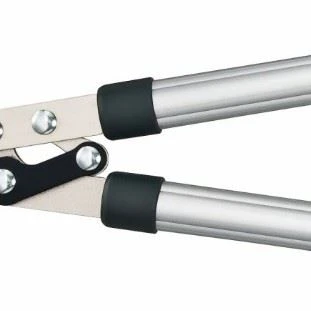

Protecting the Handles
The handles of your lopping shears are just as important as the blades. They need to be comfortable to hold and in good condition. If your handles are made of wood, you can apply a coat of wood oil or varnish every once in a while to protect them from moisture and wear.
Plastic or rubber handles can be cleaned with the same warm, soapy water used for the blades. Check for any cracks or breaks in the handles. If you find any, it might be time to replace the handles or the entire shears, depending on the severity of the damage.
Rust Prevention
Rust is the enemy of lopping shears. It can weaken the blades and other parts, making the shears less effective and eventually unusable. Besides keeping your shears dry, you can also use a rust - preventive spray.
After cleaning and drying your shears, spray a thin layer of the rust - preventive spray on the blades and any metal parts. This will create a barrier that protects the metal from moisture and oxygen, which are the main causes of rust.
Final Thoughts
Maintaining your lopping shears doesn't have to be a difficult task. By following these simple steps, you can keep your shears in great condition for years to come. A well - maintained pair of lopping shears will make your gardening and tree - trimming tasks much easier and more enjoyable.
If you're in the market for new lopping shears or need replacement parts, we're here to help. We offer a wide range of high - quality lopping shears, including Power Gear Loppers, Geared Tree Loppers, and Compound Action Bypass Lopper. Contact us to start a procurement discussion and find the perfect lopping shears for your needs.
References
- Gardening Tool Maintenance Guide
- Lopping Shears Manufacturer's Manuals


