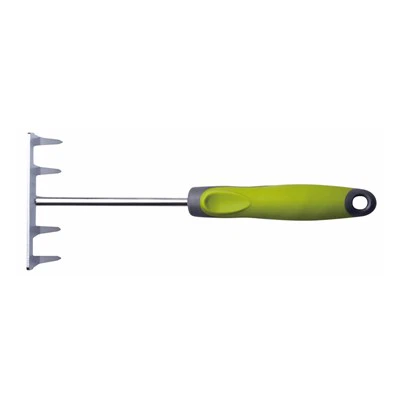
Hey there, fellow garden enthusiasts! If you've got a garden pond, you know that those thick weeds can be a real pain in the neck. They not only make your pond area look messy but can also cause problems for the pond ecosystem. That's where a machete comes in super handy. As a supplier of Machete Garden Tool, I've seen firsthand how a good machete can transform the way you deal with those stubborn weeds.
Why a Machete?
First off, let's talk about why a machete is a great choice for cutting through thick weeds around a garden pond. Unlike some other tools, a machete has a long, broad blade that can cover a lot of ground quickly. It's designed to make heavy - duty cuts, so those tough, thick weeds don't stand a chance.
Another advantage is its versatility. You can use it to cut weeds at different heights and angles. Whether you're dealing with tall, overgrown grass or low - lying thickets, a machete can get the job done. And compared to using a small hand pruner or scissors, it saves you a ton of time and energy.
Choosing the Right Machete
Before you start hacking away at those weeds, you need to choose the right machete. There are a few things to consider.
Blade Length
The blade length matters a lot. For cutting through thick weeds around a garden pond, a blade length of about 18 - 24 inches is usually ideal. A shorter blade might not have enough reach to cut through large clumps of weeds, while a longer blade can be a bit cumbersome to handle in a confined space like around a pond.
Blade Thickness
The thickness of the blade also affects its performance. A thicker blade is more durable and can handle tougher weeds without bending or breaking. However, it might be a bit heavier. A medium - thick blade, around 3 - 4 millimeters, is a good balance between durability and ease of use.
Handle
The handle is what you'll be holding onto for the entire job, so it needs to be comfortable. Look for a handle made of a non - slip material, like rubber or textured wood. It should fit well in your hand, and if possible, have a good grip even when your hands get a bit sweaty.
We offer a wide range of Machete Garden Tool that meet all these criteria. Our machetes are designed with the user in mind, so you can be sure you're getting a quality tool.
Preparing for the Weed - Cutting Job
Once you've got your machete, it's time to get ready for the job.
Safety First
Safety should always be your top priority. Wear protective gear, like long pants, long - sleeved shirts, and sturdy boots. Gloves are also a must to protect your hands from cuts and scratches. Safety goggles can prevent any debris from getting into your eyes.
Clear the Area
Before you start cutting, take a few minutes to clear the area around the pond of any large rocks, branches, or other obstacles. This will prevent you from tripping over them while you're using the machete.
Sharpen the Machete
A sharp machete is a safe and effective machete. Use a sharpening stone to sharpen the blade before you start. A sharp blade will make cleaner cuts and require less force, reducing the risk of accidents.
Using the Machete to Cut Weeds
Now that you're all prepared, it's time to start cutting those weeds.
Stand in a Stable Position
Stand with your feet shoulder - width apart and keep your body balanced. This will give you better control over the machete and reduce the risk of losing your footing, especially if the ground around the pond is wet or slippery.
Swing Technique
When you swing the machete, use a smooth, fluid motion. Start the swing from your shoulder and let the weight of the machete do most of the work. Don't try to use just your arm strength, as this can lead to fatigue quickly. Aim for the base of the weeds to cut them as close to the ground as possible.
Work in Sections
Instead of trying to cut through the entire area of weeds at once, work in small sections. This way, you can keep better track of what you've already cut and make sure you don't miss any spots.
Be Careful Around the Pond
Remember, you're working around a pond. Be careful not to accidentally cut into the pond liner or any plants that you want to keep. Also, watch out for any wildlife that might be living in or around the pond, like frogs or fish.
Maintenance After Use
After you're done cutting the weeds, it's important to take care of your machete.
Cleaning
Clean the blade thoroughly with a cloth to remove any dirt, sap, or weed residue. You can use a mild soap and water if necessary. Make sure to dry the blade completely to prevent rusting.
Sharpening
After each use, give the blade a quick touch - up with a sharpening stone. This will keep the blade in good condition and ready for the next time you need to cut weeds.
Storage
Store your machete in a dry place. You can hang it on a wall or keep it in a tool shed. Make sure to cover the blade with a sheath to protect it and prevent any accidental cuts.


Other Uses of a Machete
A machete isn't just for cutting weeds around a garden pond. It has other uses too.
Camping
If you're into camping, a machete can be a great tool. You can use it to cut firewood, clear a campsite, or even make small shelters. Check out our Good Camping Axe for more camping - related cutting needs.
Landscaping
In a larger landscaping project, a machete can be used to clear overgrown areas, cut back bushes, or trim long grass. It's a versatile tool that can come in handy in many different situations.
Contact Us for Your Machete Needs
If you're interested in purchasing a high - quality machete for your garden or other needs, we're here to help. As a leading supplier of Machete Garden Tool, we offer a wide range of machetes at competitive prices. Whether you're a professional gardener or a DIY enthusiast, we've got the right machete for you. Get in touch with us to start the procurement negotiation process.
References
- "The Gardener's Tool Handbook" - A great resource for information on different gardening tools and their uses.
- "Camping Gear 101" - This book provides valuable insights into useful camping tools, including machetes.