


Hey there! As a pneumatic supplier, I've been knee - deep in the world of pneumatic systems for ages. Pneumatic systems are super cool and are used in all sorts of industries, from manufacturing to automotive. So, let's dig into what the main components of a pneumatic system are.
Compressor
First up, we've got the compressor. This is like the heart of the pneumatic system. Its job is to take in air from the surrounding environment and squeeze it down to a higher pressure. Think of it as a big - time air squeezer. There are different types of compressors out there, like reciprocating compressors and rotary screw compressors.
Reciprocating compressors use pistons moving back and forth in cylinders to compress the air. They're pretty common in smaller applications where you don't need a huge amount of compressed air all the time. Rotary screw compressors, on the other hand, use two interlocking screws to compress the air. They're great for continuous, high - volume air supply, like in large manufacturing plants.
When you're choosing a compressor for your pneumatic system, you've got to think about how much air you need (that's measured in cubic feet per minute or CFM) and the pressure you need (usually measured in pounds per square inch or PSI). If you pick a compressor that's too small, your system won't work properly. And if it's too big, you're just wasting money on energy.
Air Treatment Components
Once the air is compressed, it's not ready to go straight into the system. It needs a bit of a cleaning and conditioning. That's where air treatment components come in.
The first thing we usually use is an air filter. This gets rid of all the dirt, dust, and other particles that were in the air when it was sucked into the compressor. You don't want all that gunk getting into your pneumatic tools and causing damage. There are different levels of filtration, depending on how clean you need the air to be.
Next up is the dryer. Compressed air can have a lot of moisture in it, and that moisture can cause rust and corrosion in your system. A dryer removes the water vapor from the air. There are refrigerated dryers, which cool the air down so the water condenses and can be drained out, and desiccant dryers, which use a special material to absorb the moisture.
Finally, we've got the lubricator. Some pneumatic components need a little bit of lubrication to work smoothly. The lubricator adds a fine mist of oil to the air, which gets carried to the moving parts of your pneumatic tools and keeps them running well.
Control Valves
Control valves are like the traffic cops of the pneumatic system. They control the flow, direction, and pressure of the compressed air. There are different types of control valves, and each has its own job.
Directional control valves are used to change the direction of the air flow. For example, in a pneumatic cylinder, a directional control valve can make the piston move in and out. There are different ways to actuate these valves, like manually (you use a lever to change the position), electrically (using a solenoid), or pneumatically (using another source of compressed air).
Pressure control valves, as the name suggests, control the pressure of the air in the system. You've got pressure relief valves, which open up when the pressure gets too high to prevent damage to the system. And there are pressure regulators, which let you set a specific pressure level and keep the air at that pressure.
Flow control valves are used to control how fast the air moves through the system. If you need a pneumatic actuator to move slowly or quickly, you can adjust the flow control valve to make that happen.
Actuators
Actuators are the parts of the pneumatic system that actually do the work. They convert the energy from the compressed air into mechanical motion.
One of the most common types of actuators is the pneumatic cylinder. It's basically a tube with a piston inside. When compressed air is sent into one end of the cylinder, it pushes the piston out. When the air is sent to the other end, the piston moves back in. Pneumatic cylinders are used in all sorts of applications, like opening and closing doors in automated factories or moving parts on an assembly line.
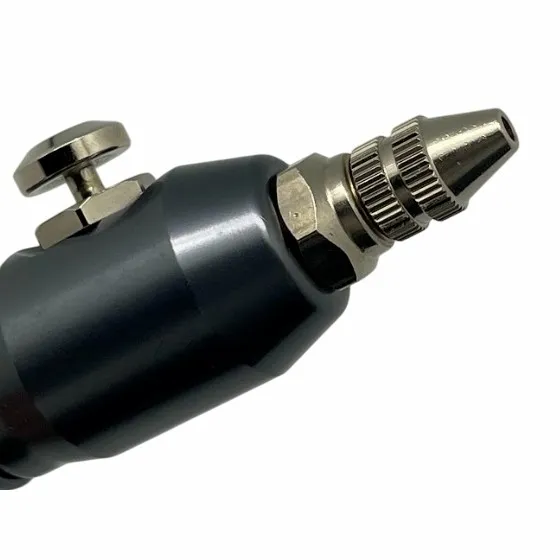

Another type of actuator is the pneumatic motor. It works a bit like an electric motor, but instead of using electricity, it uses compressed air to turn a shaft. Pneumatic motors are great for applications where you need a lot of torque, like in some types of conveyor systems.
Tubing and Fittings
Tubing and fittings are what connect all the different components of the pneumatic system together. The tubing is the pipe that the compressed air travels through, and the fittings are what hold the tubing in place and connect it to the different components.
There are different types of tubing materials, like plastic, rubber, and metal. Plastic tubing is lightweight and inexpensive, but it might not be as durable as metal tubing. Rubber tubing is flexible and can handle a lot of bending, which is great for applications where the tubing needs to move around. Metal tubing is very strong and can handle high pressures, but it's heavier and more expensive.
Fittings come in all sorts of shapes and sizes. You've got straight fittings, elbow fittings, tee fittings, and more. They're usually made of metal or plastic, and you've got to make sure they're the right size and type for your tubing and your components. If the fittings aren't installed properly, you can have air leaks, which can waste energy and reduce the efficiency of your system.
Our Pneumatic Products
At our place, we've got a great range of pneumatic products. For instance, check out our Strongest Air Duster. It's perfect for cleaning all sorts of equipment and surfaces. The high - pressure air blast gets rid of dirt and debris in no time.
We also have the High Pressure Handheld Sprayer. This is great for applications where you need to spray liquids, like in painting or disinfecting. The pneumatic power gives you a consistent and powerful spray.
And if you're looking for something more compact, our Mini Air Duster is a great choice. It's small, lightweight, and easy to use, making it ideal for cleaning small spaces and delicate equipment.
Let's Talk Business
If you're in the market for pneumatic components or a complete pneumatic system, we'd love to chat with you. Whether you're a small - scale workshop or a large industrial plant, we've got the expertise and the products to meet your needs. Just reach out to us, and we can start discussing your requirements and how we can help you build the perfect pneumatic system.
References
- Pneumatic Systems Handbook, various authors
- Industrial Pneumatics: Theory and Practice, John Doe
- Compressed Air and Gas Handbook, Jane Smith


