


Pneumatic and hydraulic systems are two of the most commonly used power transmission systems in industrial and commercial applications. As a pneumatic supplier, I've had the privilege of working closely with both systems, which has allowed me to gain a deep understanding of their unique characteristics. In this blog post, I'll explore the key differences between pneumatic and hydraulic systems to help you make an informed decision when choosing the right system for your needs.
Working Principle
The fundamental difference between pneumatic and hydraulic systems lies in the medium they use to transmit power. Pneumatic systems use compressed air as the working fluid, while hydraulic systems use a liquid, typically oil.
In a pneumatic system, air is compressed by a compressor and stored in a receiver tank. When the system is activated, the compressed air is released and directed through pipes and valves to the actuator, such as a cylinder or a motor. The air pressure then forces the actuator to move, performing the desired work. You can see the application of this principle in our Strongest Air Duster, which uses compressed air to generate a powerful blast of air for cleaning purposes.
On the other hand, hydraulic systems operate on the principle of Pascal's law, which states that pressure applied to a confined fluid is transmitted equally in all directions. A hydraulic pump is used to pressurize the oil, and the pressurized oil is then sent through hoses and valves to the hydraulic actuator. The force exerted by the oil on the actuator is proportional to the pressure and the surface area of the actuator piston.
Power and Force
Hydraulic systems generally offer higher power and force capabilities compared to pneumatic systems. This is because liquids are incompressible, which means that they can transmit force more efficiently. In a hydraulic system, a relatively small amount of fluid can generate a large amount of force, making it suitable for heavy-duty applications such as construction equipment, industrial presses, and aircraft landing gear.
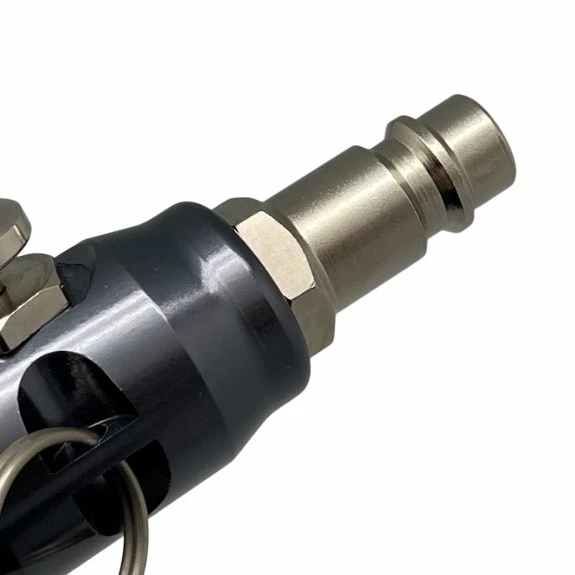

Pneumatic systems, on the other hand, are more limited in terms of the force they can generate. Compressed air is compressible, which means that some of the energy is lost in the compression and expansion process. However, pneumatic systems are still capable of providing sufficient force for many light to medium-duty applications, such as automation, packaging, and material handling. Our Mini Air Duster is a great example of a pneumatic tool that provides a useful amount of force for small-scale cleaning tasks.
Speed and Precision
Pneumatic systems are known for their fast operation and high-speed capabilities. Compressed air can be quickly released and controlled, allowing for rapid movement of the actuators. This makes pneumatic systems ideal for applications that require high-speed cycling, such as assembly lines and robotics.
Hydraulic systems, while not as fast as pneumatic systems, offer greater precision and control. The incompressible nature of the hydraulic fluid allows for more accurate positioning and movement of the actuators. Hydraulic systems are often used in applications where precise control is required, such as machine tools, robotics, and aerospace. Our Pressure Control Knob can be used in pneumatic systems to adjust the pressure and achieve a certain level of control over the operation speed and force.
Cost and Maintenance
In terms of cost, pneumatic systems are generally more affordable than hydraulic systems. The components of a pneumatic system, such as compressors, valves, and cylinders, are relatively inexpensive and widely available. Additionally, the installation and maintenance costs of pneumatic systems are lower compared to hydraulic systems.
Hydraulic systems, on the other hand, are more expensive due to the higher cost of the components, such as pumps, hoses, and valves. The hydraulic fluid also needs to be regularly changed and filtered to maintain the system's performance, which adds to the maintenance costs. However, the higher cost of hydraulic systems is often justified by their superior power and precision capabilities.
Safety and Environmental Considerations
Pneumatic systems are generally considered safer than hydraulic systems. Compressed air is non-toxic and non-flammable, which reduces the risk of fire and explosion. In addition, pneumatic systems are less likely to cause leaks compared to hydraulic systems, which can prevent environmental contamination.
Hydraulic systems, however, pose some safety and environmental risks. The hydraulic fluid is often flammable and can be harmful to the environment if it leaks. Proper safety measures, such as the use of fire-resistant fluids and leak detection systems, need to be implemented to minimize these risks.
Applications
The choice between pneumatic and hydraulic systems depends on the specific application requirements. Pneumatic systems are commonly used in industries such as automotive, food and beverage, electronics, and packaging. They are well-suited for applications that require fast, clean, and relatively low-force operation, such as automation, material handling, and air tools.
Hydraulic systems are widely used in heavy industries such as construction, mining, and manufacturing. They are ideal for applications that require high power, precision, and durability, such as hydraulic presses, cranes, and excavators.
Conclusion
In summary, pneumatic and hydraulic systems have their own unique advantages and disadvantages. Pneumatic systems are cost-effective, fast, and safe, making them suitable for a wide range of light to medium-duty applications. Hydraulic systems, on the other hand, offer higher power, precision, and durability, but at a higher cost and with more complex maintenance requirements.
As a pneumatic supplier, I can provide you with high-quality pneumatic components and systems that are tailored to your specific needs. Whether you're looking for a simple air duster or a complex pneumatic automation system, I have the expertise and products to help you achieve your goals.
If you're interested in learning more about our pneumatic products or have any questions about choosing the right system for your application, please don't hesitate to contact me. I'm always happy to discuss your requirements and provide you with professional advice. Let's work together to find the best solution for your business.
References
- Bosch Rexroth, "Hydraulics vs. Pneumatics: Understanding the Differences," Technical White Paper.
- Parker Hannifin Corporation, "Pneumatic and Hydraulic System Basics," Training Manual.
- Festo, "Pneumatic Systems in Automation," Application Guide.


