


When it comes to gardening, cleaning, or other water - related tasks, a water hose nozzle is an essential tool. As a supplier of water hose nozzles, I often get asked about the flow rate of a typical water hose nozzle. In this blog post, I'll explore this topic in detail, providing you with scientific and practical insights.
Understanding Flow Rate
Flow rate is defined as the volume of water that passes through a particular point in a given amount of time. It is usually measured in gallons per minute (GPM) or liters per minute (LPM). The flow rate of a water hose nozzle depends on several factors, including the water pressure at the source, the diameter of the hose, and the design of the nozzle itself.
Water Pressure
Water pressure is a crucial factor in determining the flow rate. Higher water pressure generally results in a higher flow rate. In most residential areas, the water pressure ranges from 40 to 80 pounds per square inch (PSI). If you have a well - water system, the pressure might be different. A higher PSI means that the water is being forced through the hose and nozzle at a greater speed, allowing more water to pass through in a shorter period.
Hose Diameter
The diameter of the hose also plays a significant role. A wider hose can carry more water than a narrower one. Common hose diameters are 1/2 inch, 5/8 inch, and 3/4 inch. A 3/4 - inch hose has a larger cross - sectional area, which allows for a greater volume of water to flow through compared to a 1/2 - inch hose, assuming the same water pressure.

Nozzle Design
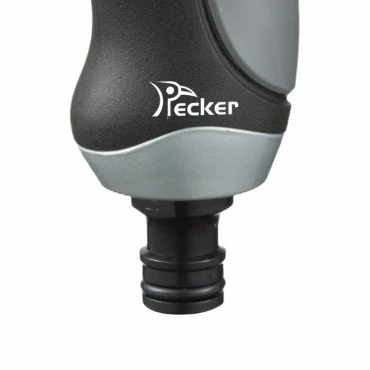
The design of the nozzle affects the flow rate as well. Different types of nozzles have different internal mechanisms that control how the water is released. Some nozzles are designed to provide a high - pressure, narrow stream, while others are made for a wide, gentle spray. The internal openings and channels in the nozzle determine how much water can pass through and at what speed.
Flow Rates of Different Types of Water Hose Nozzles
Garden Hose Twist Nozzle
A Garden Hose Twist Nozzle is a popular choice for gardeners. It usually has a simple design that allows you to adjust the spray pattern by twisting the nozzle head. The flow rate of a typical garden hose twist nozzle can range from 2 to 5 GPM. This range is suitable for tasks such as watering plants, where you might need a gentle spray for delicate flowers or a stronger stream for larger areas. The lower end of the range is ideal for slow, precise watering, while the higher end can be used for quickly filling a bucket or watering a large garden bed.
Adjustable Garden Hose Nozzle
An Adjustable Garden Hose Nozzle offers more versatility. It can be adjusted to different spray patterns, including mist, shower, jet, and more. The flow rate of an adjustable garden hose nozzle can vary widely, typically from 1 to 8 GPM. The lower flow rates are useful for tasks like misting delicate plants or cleaning small objects, while the higher flow rates are great for power - washing outdoor furniture or large surfaces.
Thumb Control Nozzle
The Thumb Control Nozzle gives you direct control over the water flow. By pressing your thumb on a lever, you can adjust the amount of water coming out of the nozzle. The flow rate of a thumb - control nozzle usually ranges from 1.5 to 6 GPM. This type of nozzle is convenient for tasks where you need to quickly adjust the flow, such as washing a car or watering different types of plants in the same area.
Measuring the Flow Rate
If you want to measure the flow rate of your water hose nozzle, you can use a simple method. First, you'll need a bucket with a known volume (for example, a 5 - gallon bucket). Then, turn on the water at full pressure and place the nozzle in the bucket. Start a timer as soon as the water starts flowing into the bucket. Stop the timer when the bucket is full. Divide the volume of the bucket by the time it took to fill it (in minutes). For example, if it took 2 minutes to fill a 5 - gallon bucket, the flow rate is 2.5 GPM.
Importance of Knowing the Flow Rate
Understanding the flow rate of your water hose nozzle is important for several reasons.
Water Conservation
By knowing the flow rate, you can use water more efficiently. If you're watering your garden, using a nozzle with an appropriate flow rate can prevent over - watering. For example, using a high - flow nozzle for a small flower bed might waste a lot of water, while a low - flow nozzle can provide just the right amount.
Task Suitability
Different tasks require different flow rates. For cleaning tasks, a higher flow rate might be necessary to remove dirt and grime effectively. On the other hand, for watering seedlings, a low - flow rate is more appropriate to avoid damaging the young plants.
Choosing the Right Nozzle Based on Flow Rate
When choosing a water hose nozzle, consider the tasks you'll be using it for. If you mainly need to water a small garden, a nozzle with a lower flow rate, like a garden hose twist nozzle with a 2 - 3 GPM flow, might be sufficient. However, if you have a large lawn or need to clean a big patio, an adjustable garden hose nozzle with a higher maximum flow rate could be a better choice.
Conclusion
In conclusion, the flow rate of a typical water hose nozzle depends on multiple factors, including water pressure, hose diameter, and nozzle design. Different types of nozzles, such as the Garden Hose Twist Nozzle, Adjustable Garden Hose Nozzle, and Thumb Control Nozzle, have different flow rate ranges that are suitable for various tasks.
As a water hose nozzle supplier, I can offer a wide range of high - quality nozzles with different flow rates to meet your specific needs. Whether you're a professional landscaper or a home gardener, having the right nozzle with the appropriate flow rate can make your water - related tasks more efficient and enjoyable. If you're interested in purchasing our water hose nozzles or have any questions about flow rates and nozzle selection, feel free to reach out for a procurement discussion.
References
- "Water Flow and Pressure Basics." Plumbing - Supply.com.
- "Garden Hose Guide: Sizes, Materials, and More." The Spruce.


