


As a seasoned supplier of inflatable sprayers, I've encountered numerous customers who come to me with the frustrating issue of their inflatable sprayer not spraying. In this blog post, I'll delve into the common reasons behind this problem and offer practical solutions to get your sprayer back in working order.
1. Lack of Pressure
One of the most frequent causes of an inflatable sprayer failing to spray is insufficient pressure. Inflatable sprayers rely on air pressure to force the liquid out of the nozzle. If the pressure inside the tank is too low, the liquid won't be pushed through the system effectively.
Possible Reasons
- Inadequate Pumping: When you use an inflatable sprayer, you need to pump the handle several times to build up pressure. If you don't pump it enough, the pressure won't be high enough to spray the liquid.
- Air Leak: A leak in the air chamber or the pump mechanism can cause the pressure to drop. Check for any visible cracks or holes in the tank, hoses, or connections. Even a small leak can lead to a significant loss of pressure over time.
Solutions
- Pump More: If you suspect that the pressure is low due to inadequate pumping, simply pump the handle a few more times until you feel the resistance increase. This indicates that the pressure inside the tank is rising.
- Check for Leaks: Inspect the entire sprayer for any signs of air leakage. Pay close attention to the connections between the tank, hose, and nozzle. If you find a leak, you can try tightening the connections or replacing any damaged parts. For example, if the O - ring in the pump is worn out, replacing it can often solve the problem.
2. Clogged Nozzle
Another common culprit is a clogged nozzle. Over time, debris, sediment, or dried - up liquid can accumulate in the nozzle, blocking the flow of the spray.
Possible Reasons
- Contaminated Liquid: If the liquid you're using in the sprayer contains particles or impurities, they can get stuck in the nozzle. This is especially common when using homemade solutions or liquids that have not been properly filtered.
- Dried - up Residue: If the sprayer is not cleaned properly after use, the liquid inside the nozzle can dry up and form a hard blockage.
Solutions
- Clean the Nozzle: Remove the nozzle from the sprayer and soak it in warm, soapy water for a few minutes. You can also use a small brush, such as a toothbrush, to gently scrub the nozzle and remove any debris. After cleaning, rinse the nozzle thoroughly with clean water and reattach it to the sprayer.
- Use a Filter: To prevent debris from entering the nozzle in the first place, consider using a filter in the tank. This can help trap particles and keep the nozzle clear. You can find filters specifically designed for inflatable sprayers at most hardware stores.
3. Faulty Pump
The pump is a crucial component of the inflatable sprayer, and if it's not working properly, the sprayer won't be able to build up the necessary pressure.
Possible Reasons
- Worn - out Parts: Over time, the internal parts of the pump, such as the piston or the valve, can wear out. This can cause the pump to lose its ability to create pressure.
- Damage: Physical damage to the pump, such as a crack or a broken part, can also prevent it from functioning correctly.
Solutions
- Replace the Pump: If you've determined that the pump is the problem, replacing it is often the best solution. You can purchase a replacement pump from your local hardware store or directly from the manufacturer. Make sure to choose a pump that is compatible with your specific sprayer model.
- Repair the Pump: In some cases, the pump may be repairable. If the issue is a simple one, such as a loose connection or a minor valve problem, you may be able to fix it yourself. However, if you're not comfortable working with mechanical parts, it's best to seek professional help.
4. Blocked Hose
The hose that connects the tank to the nozzle can also become blocked, preventing the liquid from flowing freely.
Possible Reasons
- Kinks or Bends: If the hose is kinked or bent, it can restrict the flow of the liquid. This can happen if the hose is not stored properly or if it gets caught on something during use.
- Debris in the Hose: Similar to the nozzle, debris can also accumulate inside the hose, causing a blockage.
Solutions
- Straighten the Hose: Carefully straighten out any kinks or bends in the hose. Make sure it is laid out in a smooth, unobstructed path. This should restore the normal flow of the liquid.
- Flush the Hose: If you suspect that there is debris inside the hose, you can try flushing it out with clean water. Disconnect the hose from the sprayer and run water through it until the water runs clear.
5. Incorrect Liquid Viscosity
The viscosity of the liquid you're using in the sprayer can also affect its performance. If the liquid is too thick or too thin, it may not spray properly.
Possible Reasons
- Wrong Mixture: If you're mixing your own solutions, using the wrong ratio of ingredients can result in a liquid with the wrong viscosity. For example, adding too much thickening agent to a liquid can make it too viscous to spray.
- Incompatible Liquid: Some liquids may not be suitable for use in an inflatable sprayer due to their chemical properties or viscosity.
Solutions
- Adjust the Mixture: If you suspect that the viscosity is the problem, try adjusting the mixture. For example, if the liquid is too thick, you can add more water to thin it out. If it's too thin, you may need to add a small amount of thickening agent, but be careful not to overdo it.
- Choose the Right Liquid: Make sure that the liquid you're using is compatible with your inflatable sprayer. Check the manufacturer's recommendations for the types of liquids that can be used.
Related Products
If you're still having trouble with your inflatable sprayer or are looking for alternative options, we also offer a range of related products. For example, the Mini Air Duster can be useful for cleaning hard - to - reach areas and removing debris from your sprayer. The Pressure Can Sprayer provides a different spraying mechanism and may be more suitable for certain applications. And if you need to control the pressure more precisely, the Pressure Control Knob can be a great addition to your sprayer.
Conclusion
In conclusion, there are several reasons why your inflatable sprayer may not be spraying, including lack of pressure, clogged nozzle, faulty pump, blocked hose, and incorrect liquid viscosity. By carefully diagnosing the problem and following the solutions outlined above, you can often get your sprayer back in working condition.
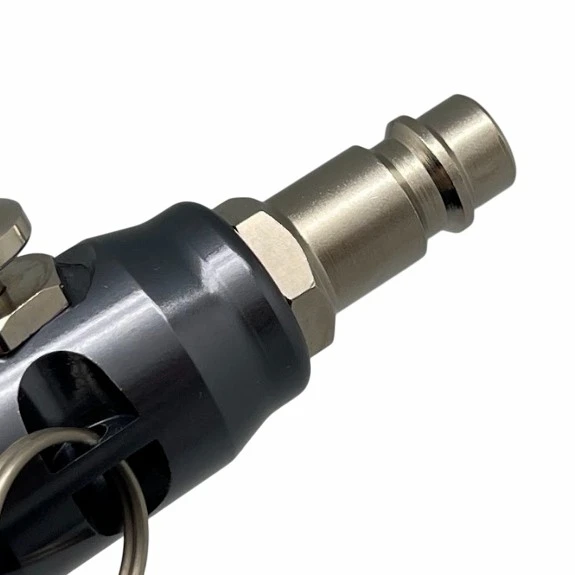

If you're still experiencing issues or are interested in purchasing a new inflatable sprayer or related products, we're here to help. Contact us for more information and to discuss your specific needs. Our team of experts can provide you with personalized advice and guidance to ensure that you find the right solution for your spraying requirements.
References
- "Sprayer Troubleshooting Guide" - General hardware maintenance manual
- Manufacturer's instructions for inflatable sprayers


