


What is a Pneumatic Vacuum System?
In the realm of industrial and commercial operations, pneumatic vacuum systems play a crucial role. As a seasoned pneumatic supplier, I've witnessed firsthand the transformative impact these systems have on various sectors. In this blog, I'll delve into what a pneumatic vacuum system is, its components, applications, and why it's a valuable asset for businesses.
Understanding the Basics of Pneumatic Vacuum Systems
At its core, a pneumatic vacuum system operates on the principles of air pressure differentials. It uses compressed air to create a vacuum, which in turn can be used for a variety of tasks such as material handling, cleaning, and even in some manufacturing processes. The basic idea is to harness the power of air to move objects or substances from one place to another.
The system typically consists of several key components. First, there is a compressor, which is responsible for generating the compressed air. This compressed air is then directed through a series of pipes and valves to a vacuum generator. The vacuum generator is where the magic happens. It uses the Venturi effect, a phenomenon in fluid dynamics, to create a low-pressure area. This low-pressure area, or vacuum, is what allows the system to suck in air, dust, or other materials.
Components of a Pneumatic Vacuum System
- Compressor: As mentioned earlier, the compressor is the heart of the system. It takes in ambient air and compresses it to a higher pressure. There are different types of compressors available, including reciprocating, rotary screw, and centrifugal compressors. The choice of compressor depends on factors such as the required air pressure, flow rate, and the specific application of the pneumatic vacuum system.
- Vacuum Generator: The vacuum generator is designed to convert the compressed air into a vacuum. It usually consists of a nozzle and a diffuser. When the compressed air passes through the nozzle, it accelerates, creating a high-velocity jet. According to the Venturi effect, this high-velocity jet causes a drop in pressure in the surrounding area, creating a vacuum.
- Pipes and Valves: These are used to transport the compressed air and the vacuum to the desired locations. Pipes need to be carefully selected based on their diameter, material, and pressure rating to ensure efficient operation. Valves, on the other hand, are used to control the flow of air and vacuum, allowing for precise regulation of the system.
- Filters and Separators: To ensure the longevity of the system and the quality of the vacuum, filters and separators are often included. Filters remove dust, debris, and other contaminants from the air, while separators can be used to separate liquids from the air or to collect solid particles.
Applications of Pneumatic Vacuum Systems
- Material Handling: One of the most common applications of pneumatic vacuum systems is in material handling. They can be used to pick up and move lightweight objects such as small parts in a manufacturing plant or to transfer bulk materials like powders and granules. For example, in the food industry, pneumatic vacuum systems can be used to transfer ingredients from storage containers to processing equipment.
- Cleaning: Pneumatic vacuum systems are also widely used for cleaning purposes. They can be found in industrial vacuum cleaners, where they are used to suck up dust, dirt, and debris. In addition, they are used in cleanrooms to maintain a high level of cleanliness by removing particles from the air.
- Manufacturing Processes: In some manufacturing processes, pneumatic vacuum systems are used to hold objects in place during machining or assembly operations. They can provide a secure and precise grip without damaging the workpiece. For instance, in the electronics industry, vacuum systems are used to pick and place small components on printed circuit boards.
- Medical and Laboratory Applications: In the medical and laboratory fields, pneumatic vacuum systems are used for tasks such as aspirating fluids, creating a sterile environment, and operating certain medical devices. For example, in a dental office, a pneumatic vacuum system is used to remove saliva and debris during dental procedures.
Advantages of Pneumatic Vacuum Systems
- Safety: Pneumatic vacuum systems are generally considered safer than other types of vacuum systems. Since they use compressed air, there is no risk of electrical shock, which is a concern with electric vacuum systems. In addition, they are less likely to generate sparks, making them suitable for use in hazardous environments.
- Efficiency: These systems can operate at high speeds and provide a consistent vacuum level. They are also relatively easy to install and maintain, which can result in lower operating costs over time.
- Versatility: Pneumatic vacuum systems can be customized to meet the specific needs of different applications. They can be easily integrated into existing production lines or used as standalone units.
Our Product Offerings
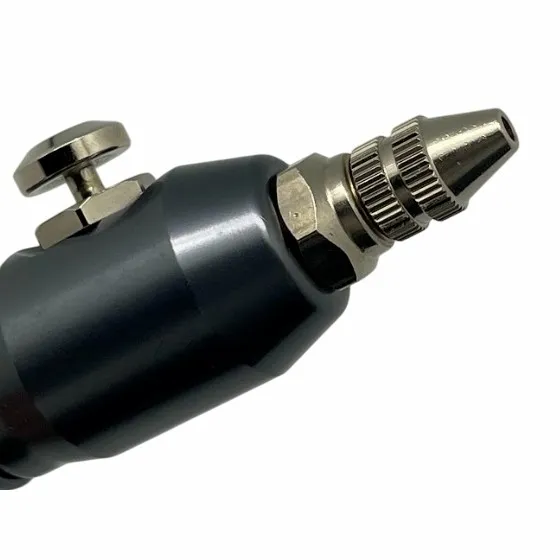
As a pneumatic supplier, we offer a wide range of products related to pneumatic vacuum systems. For example, we have the High Pressure Handheld Sprayer, which can be used in various cleaning and coating applications. Our Mini Air Duster is a compact and portable solution for removing dust and debris from small spaces. And if you need a more powerful option, our Strongest Air Duster is designed to provide a high-velocity stream of air for heavy-duty cleaning tasks.
Conclusion
Pneumatic vacuum systems are a versatile and efficient solution for a wide range of industrial, commercial, and medical applications. Their ability to create a vacuum using compressed air offers numerous advantages, including safety, efficiency, and versatility. As a pneumatic supplier, we are committed to providing high-quality products and solutions to meet the diverse needs of our customers.

If you're interested in learning more about our pneumatic vacuum systems or have specific requirements for your business, we encourage you to reach out to us for a detailed discussion. Our team of experts is ready to assist you in finding the right solution for your needs.
References
- Fluid Mechanics: An Introduction, by Frank M. White
- Industrial Pneumatic Systems: Design, Installation, and Troubleshooting, by Robert Sheaff


